

Introduction
Recent reports following the Grenfell Tower disaster have raised concerns regarding fire safety, particularly around the materials used in building refurbishment. As a flat roofing specialist contractor that performs many warm roof conversions, we understand the concerns of both our existing and potential customers. This article aims to clarify the differences between the vertical cladding used in high-rise buildings like Grenfell Tower and the warm roof systems we use for flat roofs. It will also explain how our systems comply with fire safety regulations, including the BROOF (t4) standard.
The Difference Between Vertical Cladding and Warm Roof Systems
Vertical Cladding:
The Grenfell Tower tragedy highlighted the dangers associated with the use of certain types of external cladding, specifically Aluminum Composite Material (ACM) with combustible polyethylene cores. This type of cladding was used on the tower’s exterior, leading to a rapid spread of fire up the building’s vertical facade, which compromised the safety of its occupants (GTI – Phase 1 report Executive Summary (GTI Phase 2_Report Overview). Vertical cladding systems like these are typically used on high-rise structures and pose a greater risk because they provide a pathway for fire to spread across the exterior surface of a building.
Warm Roof Systems for Flat Roofs:
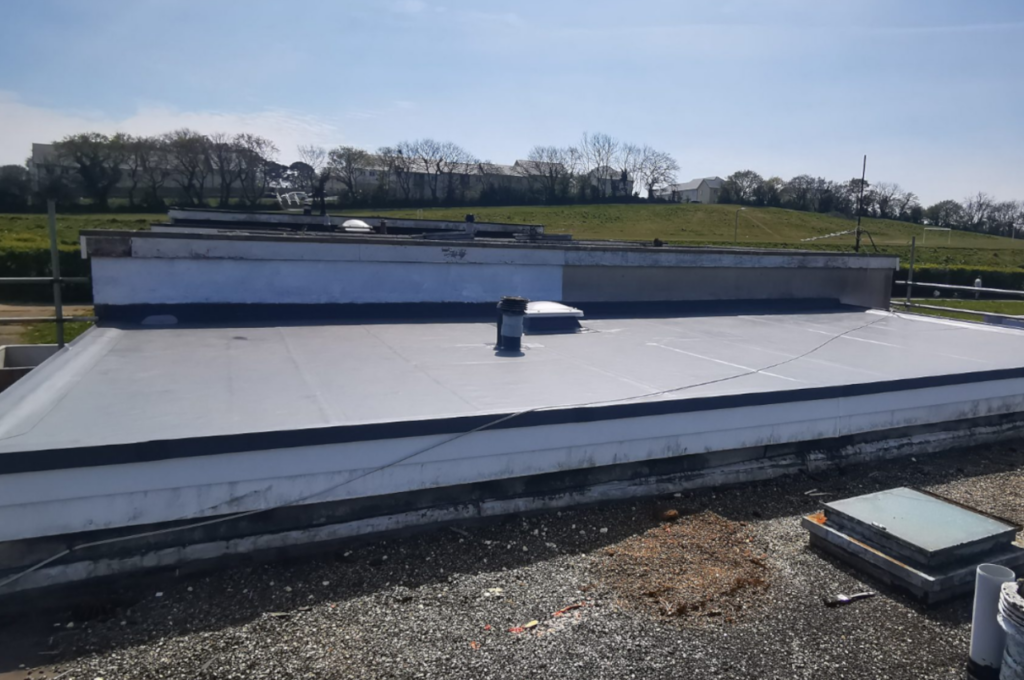
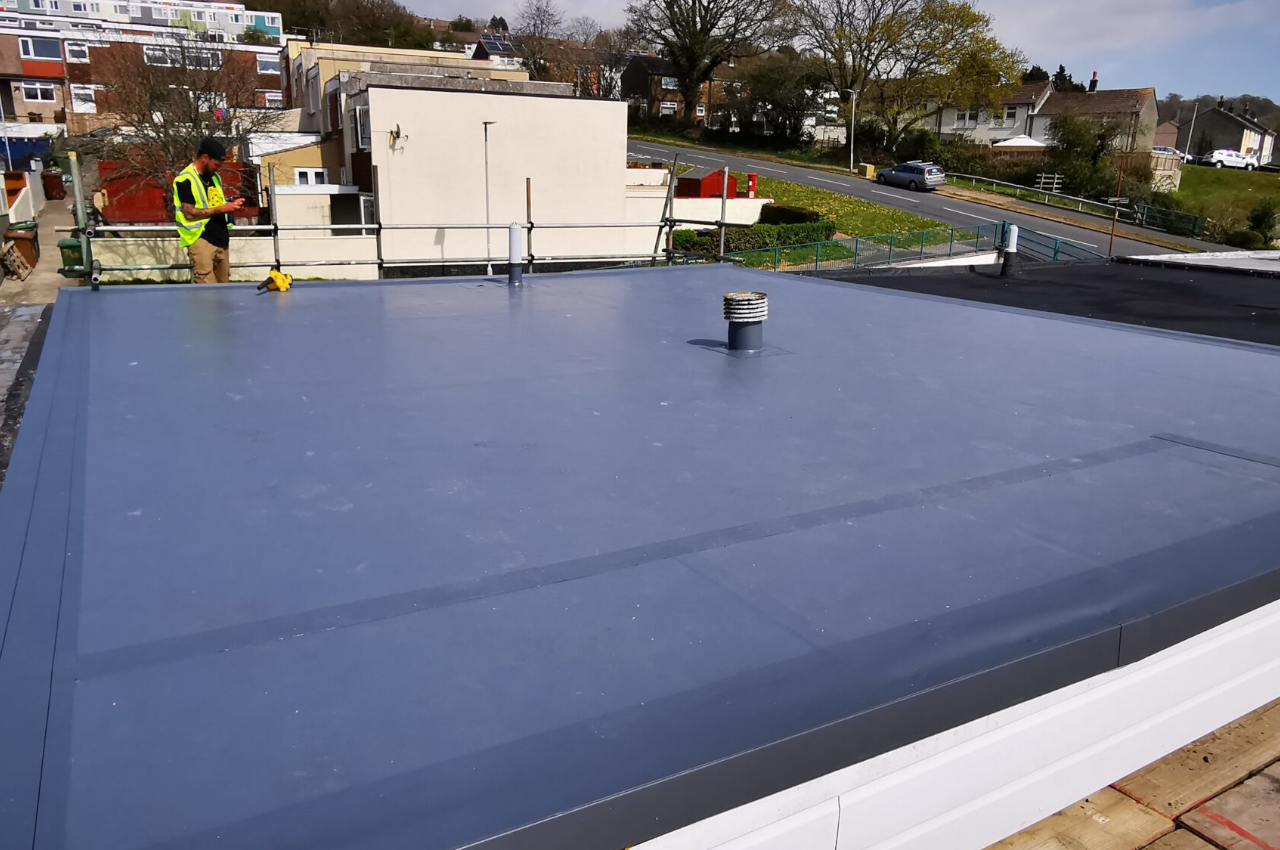
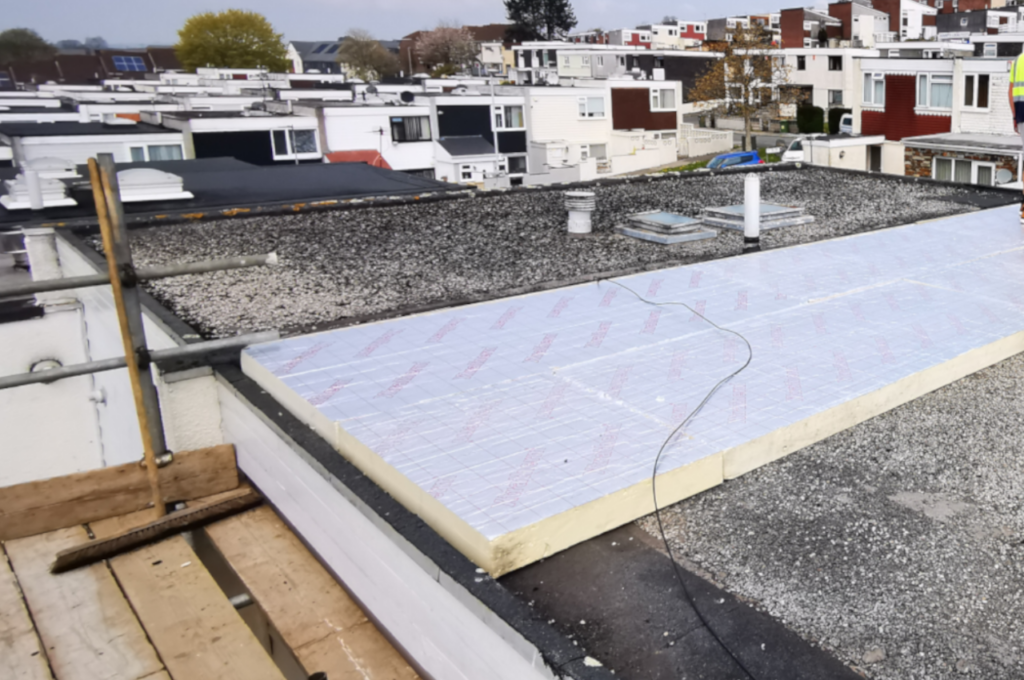
In contrast, the warm roof systems we install for flat roofs are designed to enhance energy efficiency by adding insulation above the roof deck, which is then protected by a waterproof membrane. These systems are horizontal, with limited exposure to open flames, making the risk of rapid fire spread significantly lower. Importantly, the materials we use in these systems are rigorously tested and installed to meet current fire safety standards. The difference in design and application between vertical cladding and warm roofs means that fire safety risks are inherently lower with flat roofs.
Fire Safety Regulations for Flat Roofs
It’s important to note that regulations for warm roof systems on flat roofs differ from those governing cladding systems on high-rise buildings. All the warm roof systems we install meet the BROOF (t4) standard, which is the highest classification for fire performance on roofs under European standards. This certification ensures that our roofing systems provide robust protection against fire spread.
What is BROOF (t4)?
The BROOF (t4) classification indicates that the roofing system, including insulation materials, meets strict requirements for resistance to external fire sources, such as burning embers or flames. This means our roofing solutions have undergone rigorous testing to ensure they slow the spread of fire, keeping both property and occupants safer.
PIR Insulation and Fire Safety
One of the most frequent concerns we hear from customers involves the use of PIR insulation in warm roof systems. Polyisocyanurate (PIR) insulation was mentioned in the Grenfell Inquiry, as it contributed to the rapid spread of fire in certain conditions (GTI Phase 2_Report Overview). However, it is important to distinguish between the way PIR was used in Grenfell’s vertical cladding and how it is used in flat roof systems.
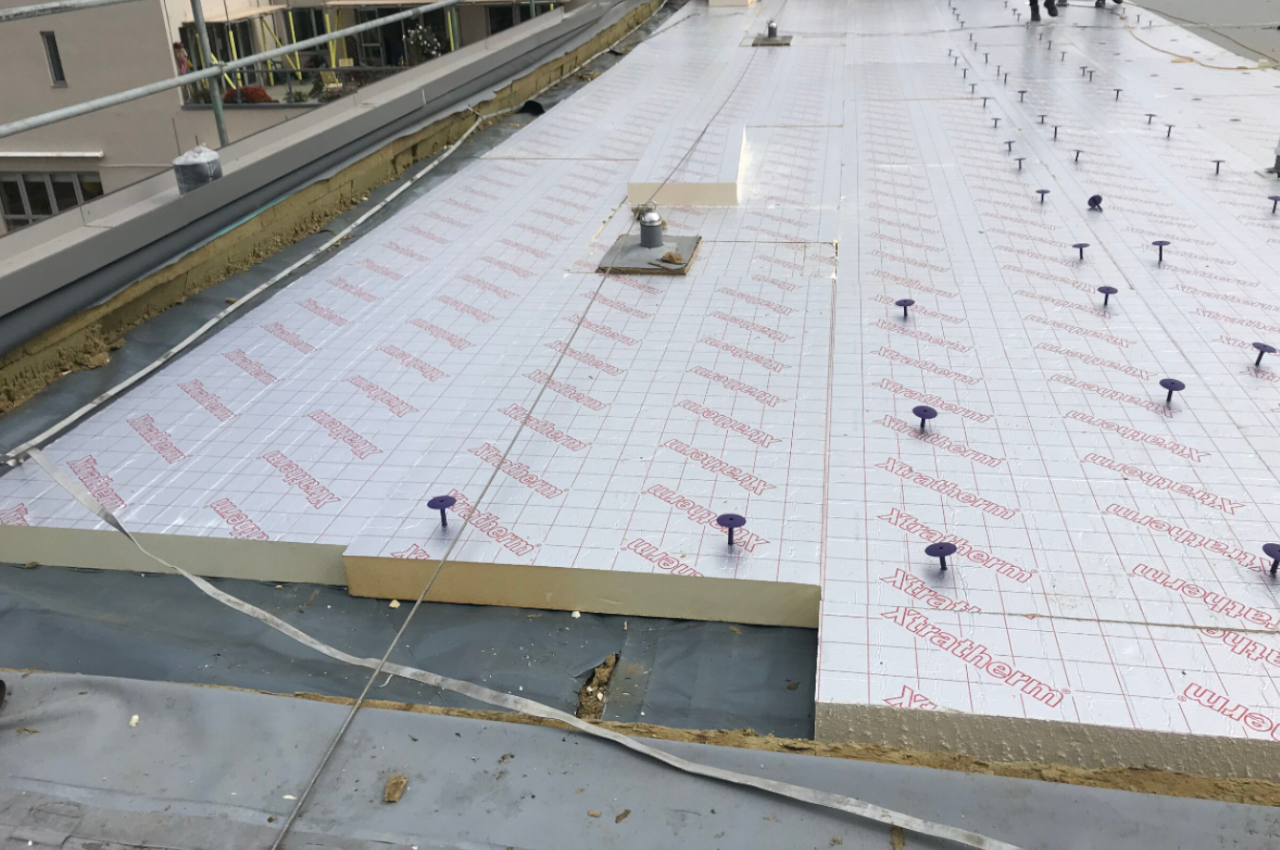
In a flat roof application, PIR insulation is enclosed within a horizontal roof system, protected by non-combustible layers that are specifically designed to minimise fire risk. Furthermore, the materials we use are installed according to strict industry guidelines to ensure they comply with fire safety regulations. This differs significantly from the cladding systems used in high-rise buildings, where improper installation and flammable materials created a much higher fire risk.
We also adhere to the latest Building Regulations and British Standards, ensuring that all materials used in our warm roof conversions are safe, compliant, and suitable for flat roof applications.
Conclusion
We understand that the Grenfell Tower disaster has left many concerned about the materials used in building refurbishments. However, it’s crucial to understand the differences between vertical cladding systems and the warm roof systems used in flat roofing. Our systems are compliant with the highest fire safety standards, including the BROOF (t4) classification, and we take every precaution to ensure your property is safe.
If you have any questions about the materials we use or how our systems meet fire safety standards, please do not hesitate to reach out to our team. We are committed to keeping our customers informed and confident in the safety and quality of our installations.
Author
Paull S Newsome
Commercial Director (MIOR)